
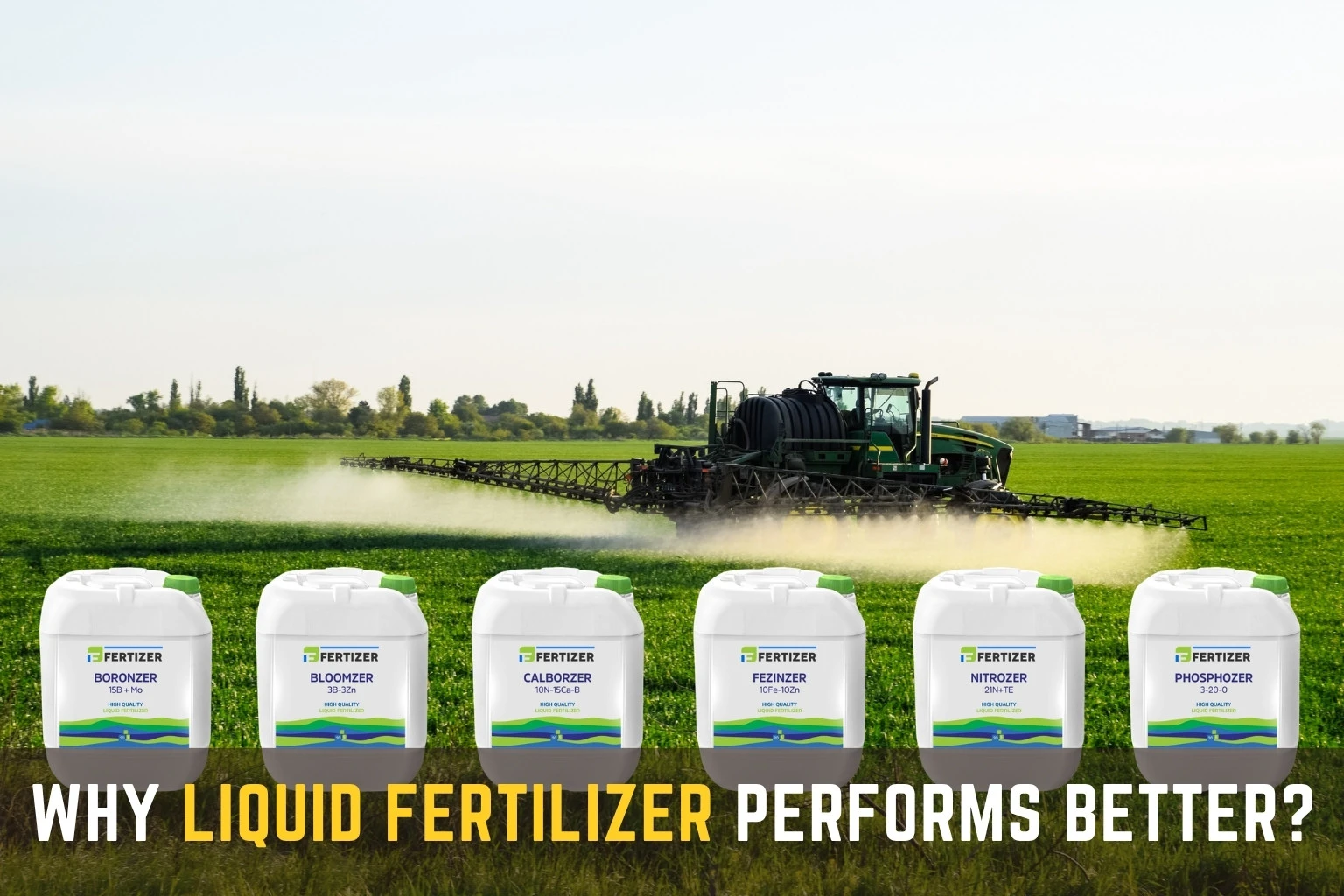
Timing is where many crop nutrition plans either pay back or fall short. A solid nutrient programme on paper can still underperform in the field if uptake is delayed, placement is uneven, or key elements are unavailable during peak demand. That is exactly why liquid fertiliser for crops continues to gain ground in commercial agriculture – it gives growers and procurement teams tighter control over nutrient delivery, faster crop response, and more flexible application across changing field conditions.
For large-scale operations, the value is not just agronomic. It is operational. Liquids can simplify handling, improve dosing accuracy, integrate into fertigation and foliar systems, and support more precise feeding strategies across variable soils and crop stages. Used well, they can help protect yield potential while improving nutrient efficiency.
Why liquid fertiliser for crops is gaining share
The shift towards liquid formats is being driven by performance as much as convenience. In intensive production systems, nutrient timing matters as much as nutrient quantity. A crop that receives nitrogen, potassium, calcium, or micronutrients at the wrong stage rarely converts the full value of that input into yield or quality.
Liquid fertilisers allow nutrients to be delivered in a readily available form. That can be especially useful when root activity is limited by cold soil, compaction, salinity, or moisture stress. In fertigation systems, liquids also make it easier to split applications into smaller, more targeted doses. This reduces the risk of loss, supports steadier crop growth, and can improve nutrient use efficiency over a season.
There is also a commercial reason behind the growth in demand. Professional buyers want products that fit modern application equipment, move reliably through storage and distribution, and perform consistently at scale. A well-formulated liquid product does more than feed the crop – it reduces avoidable friction across the supply chain.
Where liquid formulations deliver the most value
Not every production system will rely on liquids in the same way. It depends on crop type, irrigation method, soil condition, labour availability, and the broader fertiliser programme. Even so, several use cases stand out.
Fertigation in high-value and intensive cropping
In irrigated systems, liquid fertilisers are often the most efficient option because they can be applied directly through the water supply. This allows nutrients to be delivered close to the root zone with excellent uniformity, particularly when using well-balanced liquid fertilizers. For crops with clearly defined growth stages, fertigation supports a more responsive feeding programme, adjusting rates as demand changes through vegetative growth, flowering, fruit set, bulking, or grain fill.
This approach is particularly effective where nutrient losses from leaching are a concern. Smaller, repeated applications usually outperform large corrective doses, especially in lighter soils or under high irrigation frequency.
Foliar correction when speed matters
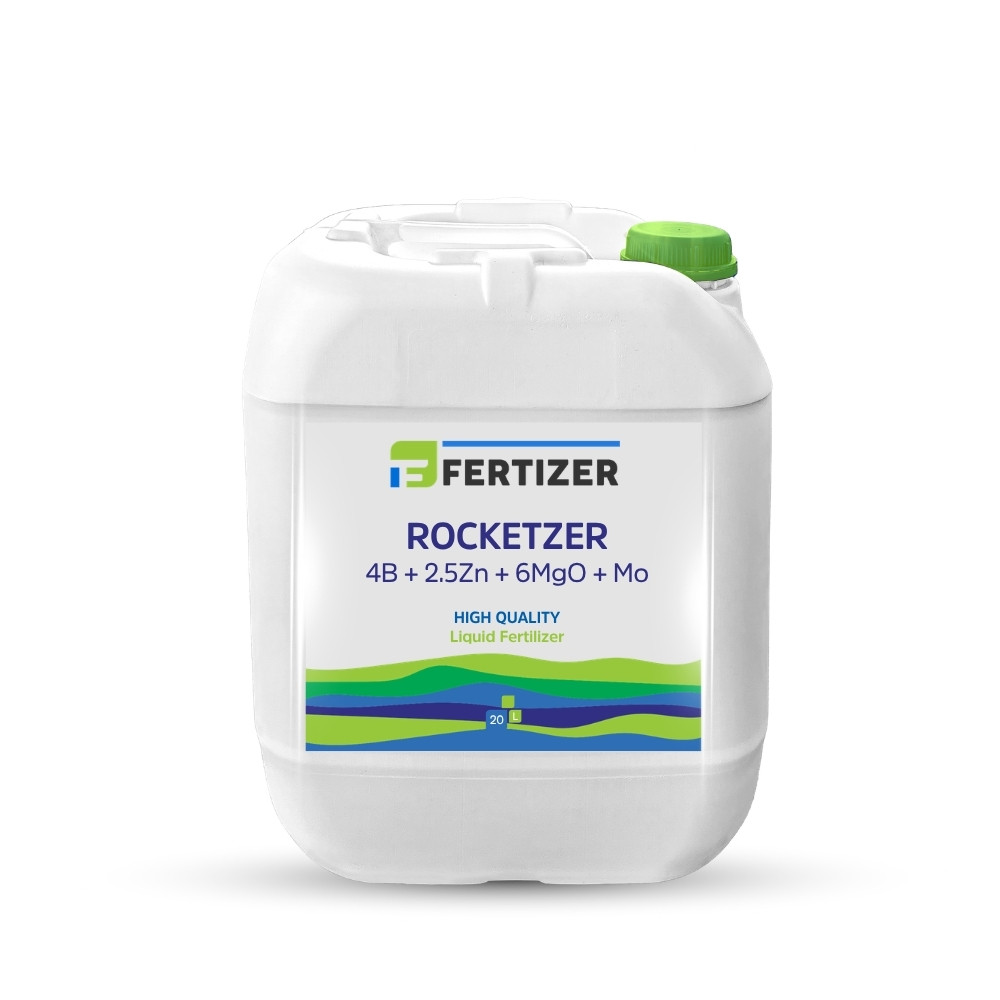
Foliar liquid fertilisers can play a strategic role when crops show visible deficiency or when environmental conditions restrict root uptake. Micronutrients such as zinc, manganese, boron and molybdenum are commonly applied this way, as are selected macronutrients in carefully controlled formulations.
Foliar feeding is not a replacement for a complete soil nutrition programme. It is a precision tool. Its value lies in speed and timing, particularly when a crop enters a high-demand stage and even a short deficiency period can affect yield or marketable quality.
Broadacre and field crop programmes
Liquid nutrition is not limited to protected or high-value crops. In broadacre systems, it can support starter fertilisation, in-season top-up applications, or targeted nutrient correction. The main question is whether the economics and logistics suit the scale of the operation.
For some growers, liquids are most effective as part of a blended strategy rather than a full replacement for granular inputs. A base application may come from conventional solid fertiliser, while liquid products are used to improve early vigour, support key reproductive stages, or address known nutrient bottlenecks.
The main agronomic advantages
The strongest case for liquid fertiliser for crops is not that it is universally better. It is that, in the right system, it can solve problems that solid products cannot solve as precisely.
The first advantage is uniformity. When liquids are properly diluted and applied through calibrated equipment, nutrient distribution is highly consistent. This matters in large commercial fields where uneven application can create visible differences in crop growth and harvest performance.
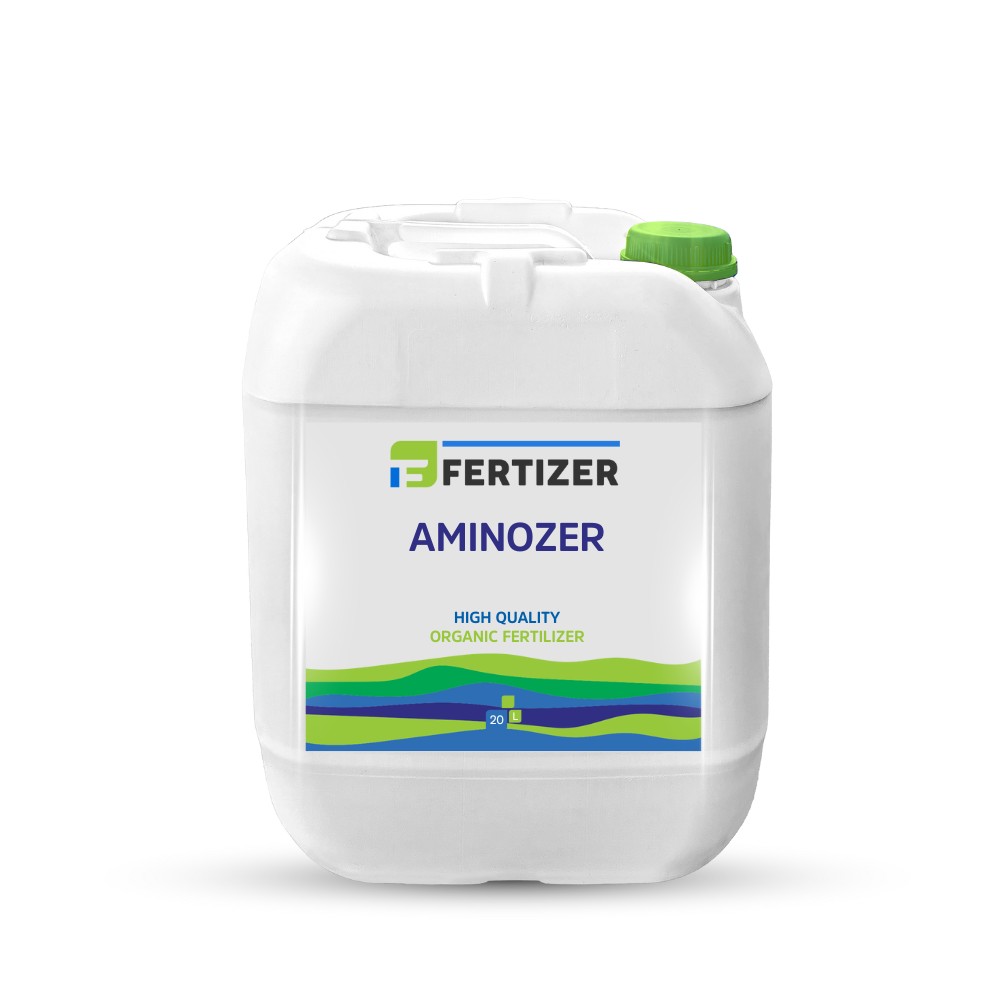
The second is responsiveness. Nutrients in liquid form are generally available to the plant more quickly, especially in foliar and fertigation use, particularly when using fast-absorbing liquid amino acid fertilisers. That faster response can be valuable during periods of rapid biomass development or stress recovery.
The third is compatibility with precision agriculture. Liquid systems are easier to integrate with controlled dosing, tank-mix programmes, and stage-specific nutrition plans. For agronomy-led operations, that flexibility supports tighter nutrient management and more measurable results.
The fourth is operational efficiency. Storage, transfer, and mixing can be more streamlined than handling multiple solid products, provided the farm or distribution network has the right infrastructure in place.
The trade-offs buyers should assess
Liquid products are not automatically the right answer for every market or every crop. Professional buyers should look beyond the headline benefits and assess fit.
Storage and handling requirements can be more demanding. Tanks, pumps, agitation, and compatible application equipment need to be in place. Product stability also matters. A poorly formulated liquid may settle, crystallise, or create mixing problems, especially under temperature fluctuations during transport or storage.
Nutrient concentration is another factor. Some liquid products offer excellent efficiency but lower nutrient density than solids, which can affect freight economics and on-farm storage planning. This is particularly relevant in export markets and large-acreage supply programmes where volume movement influences total cost.
Water quality and tank compatibility should also be checked carefully. Hard water, extreme pH, and incompatible crop protection products can reduce performance or cause precipitation in the tank. That is why formulation quality and technical support are critical, not optional.
Choosing the right liquid fertiliser for crops
Selection should start with the crop and production system, not the product label. The right formulation depends on what problem needs solving.
If the objective is steady nutrition through irrigation, water-soluble and stable liquid NPK formulations usually make the most sense. If the priority is correcting a trace element deficiency quickly, a targeted micronutrient liquid is often more effective than a broad mix. When it comes to stress tolerance and fruit quality, calcium, potassium, amino acid-based or specialized formulations may have a clear role to play.
It is also worth looking closely at raw material quality and manufacturing consistency. Two products can show similar guaranteed analysis while performing very differently in the field. Purity, chelation quality, pH balance, salt index, and formulation stability all influence whether the nutrient reaches the crop efficiently and safely.
For distributors and private label buyers, consistency from batch to batch matters just as much as field performance. A scalable programme needs reliable specification, dependable supply, and export-ready production standards. That is where a manufacturing-led supplier has a clear advantage over businesses that are only trading finished goods.
Application strategy matters as much as product choice
Even a high-performance liquid fertiliser will disappoint if timing and placement are wrong. Crops do not need all nutrients in equal amounts at all stages, and overapplication can be just as costly as underfeeding.
A more effective approach is to align liquid applications with periods of peak physiological demand. Early root and canopy establishment, pre-flowering, fruit set, tuber initiation, grain fill, and stress recovery are all common windows where targeted liquid feeding can improve return on input.
Monitoring should guide decisions wherever possible. Soil analysis, water analysis, tissue testing, and field observation help distinguish between true deficiency, temporary uptake restriction, and symptoms caused by rootzone or environmental issues. That prevents expensive guesswork and improves programme accuracy.
In practical terms, this means liquid fertilisers work best when they are part of a crop nutrition strategy rather than a stand-alone fix. Strong programmes combine baseline fertility, staged feeding, and responsive correction to keep the crop supplied without creating unnecessary cost or antagonism between nutrients.
Supply reliability is part of crop performance
For commercial agriculture, product performance and supply performance are closely linked. A liquid fertiliser programme only works when the right formulation arrives on time, in consistent quality, and in volumes that match the season’s demand. Missed delivery windows or inconsistent batches can disrupt application schedules and reduce the value of the agronomic plan.
That is one reason many buyers prefer working with established manufacturers such as FERTIZER, where formulation expertise, raw material access, and in-house production support both technical quality and dependable supply. In international markets, this matters even more, particularly when procurement teams are planning bulk orders, private label ranges, or multi-season supply agreements.
Liquid fertiliser is at its best when it gives the crop exactly what it needs, exactly when it can use it. The real opportunity is not simply to switch format, but to build a more precise, more reliable nutrition system around that capability.