
Micronutrient Fertilizers
Explore micronutrient fertilizers that support healthy growth when plants need. Look at our advanced formulations and find the perfect balance for better crops breeding.
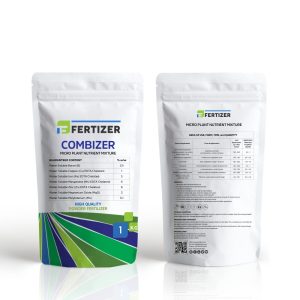
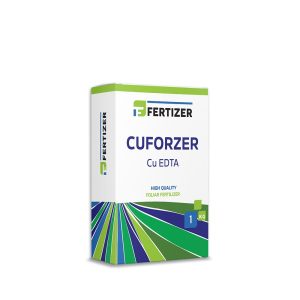
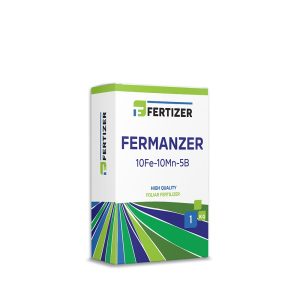
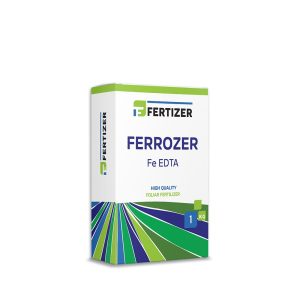
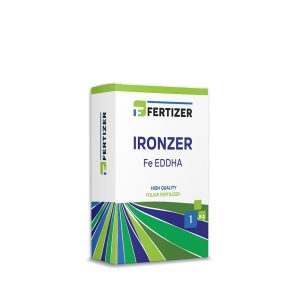
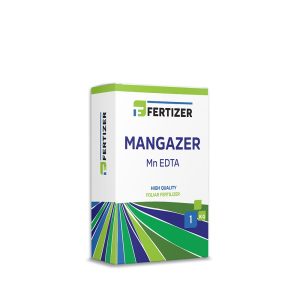

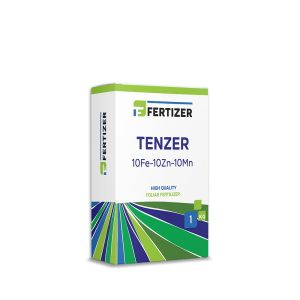
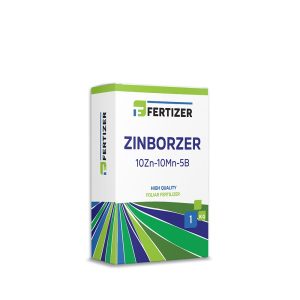
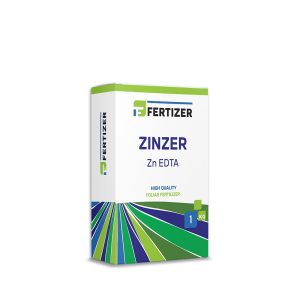
FERTIZER Micronutrient Fertilizers for Balanced Plant Nutrition
Micronutrients may be required in small amounts, but they have a major impact on plant health and productivity. At FERTIZER, we offer specially formulated micronutrient fertilizers designed to correct deficiencies, optimize metabolic functions, and maximize crop yields.
What Are Micronutrient Fertilizers?
Micronutrient fertilizers supply essential trace elements that are vital for plant development, such as Iron (Fe), Zinc (Zn), Manganese (Mn), Copper (Cu), Boron (B), and Molybdenum (Mo). Even minor deficiencies can limit plant growth, reduce yields, and negatively affect crop quality.
Key Benefits of FERTIZER Micronutrient Fertilizers
- Correct and Prevent Deficiencies: Rapidly addresses hidden hunger and nutrient imbalances.
- Enhance Growth and Vitality: Supports photosynthesis, enzyme activation, and hormonal regulation.
- Boost Yield and Quality: Improves flowering, fruit set, and overall plant performance.
- Flexible Application Options: Can be applied via soil, drip irrigation, or foliar spraying.
- High Bioavailability: Chelated forms ensure maximum nutrient uptake and effectiveness.
Our Micronutrient Product Range
- Single-Nutrient Fertilizers: Fe, Zn, Mn, Cu, B, Mo
- Chelated Micronutrients: EDTA- and EDDHA-based formulations
- Multi-Micronutrient Blends: Balanced combinations for comprehensive nutrition
At FERTIZER, we prioritize quality, solubility, and agricultural efficiency offering micronutrient solutions you can rely on.
Provide your plants with the complete nutrition they need with FERTIZER Micronutrient Fertilizers.
Frequently Asked Questions About Micronutrient Fertilizers
Micronutrient fertilizers supply essential trace elements such as Iron (Fe), Zinc (Zn), Manganese (Mn), Copper (Cu), Boron (B), and Molybdenum (Mo). These nutrients support plant metabolism, growth, flowering, and crop productivity.
Although plants require micronutrients in small quantities, they play critical roles in photosynthesis, enzyme activation, nutrient transport, and reproductive development. Deficiencies can significantly reduce yield and crop quality.
The most common deficiencies involve Iron (Fe), Zinc (Zn), Boron (B), and Manganese (Mn). Symptoms may include chlorosis, stunted growth, poor flowering, reduced fruit set, and lower yields.
Chelated micronutrients such as EDTA and EDDHA formulations improve nutrient stability and availability, allowing plants to absorb nutrients more efficiently even under challenging soil conditions.
Micronutrient fertilizers can be applied through soil application, fertigation systems, drip irrigation, and foliar spraying. The most suitable method depends on the crop, nutrient deficiency, and growing conditions.