
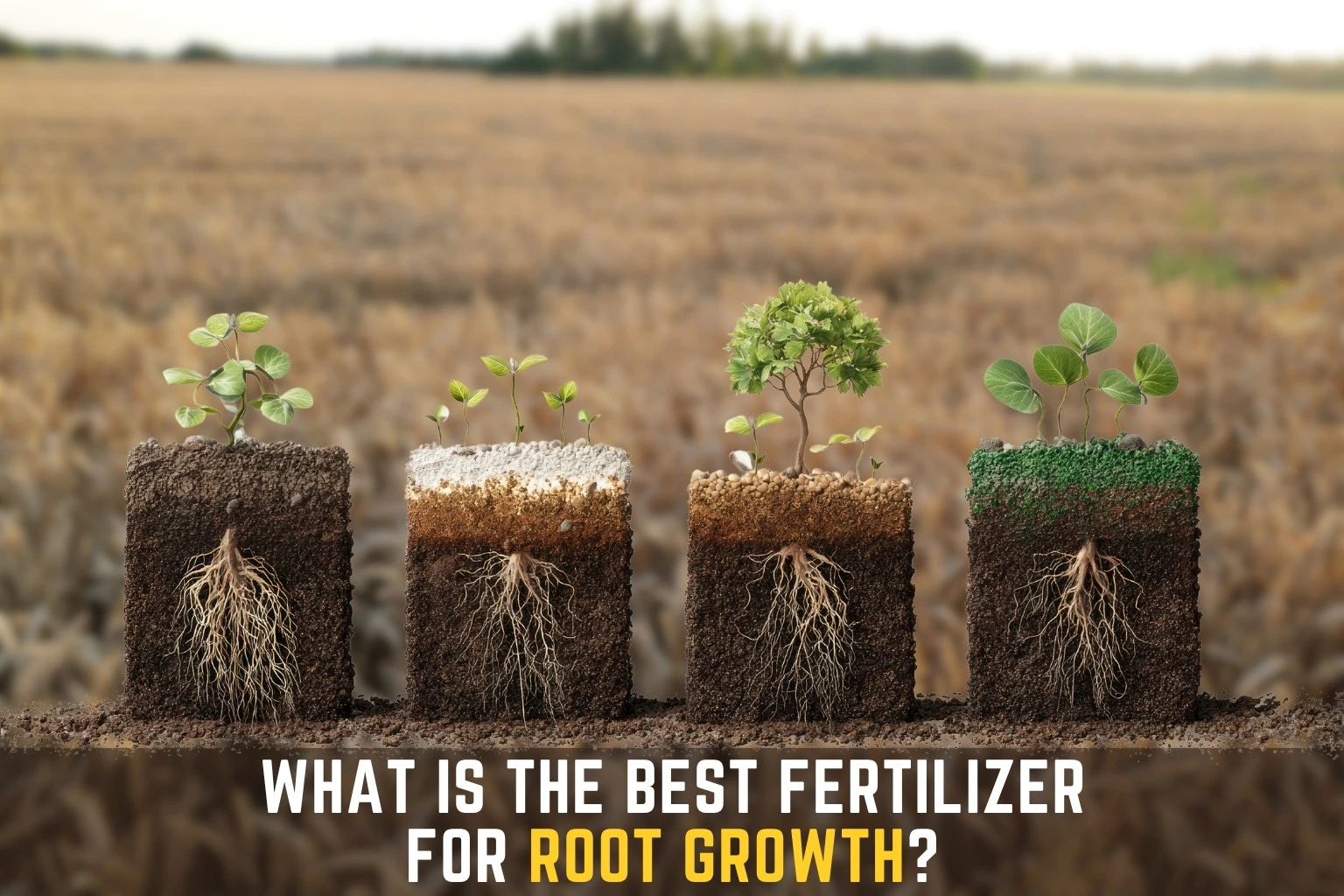
Poor root development rarely shows up as an isolated problem. It appears later as weak crop establishment, uneven stands, lower nutrient uptake, higher stress sensitivity, and disappointing yield. That is why the search for the best fertilizer for root growth is not really about one product name. For commercial agriculture, it is about choosing the right nutrient strategy for the crop, soil condition, and growth stage.
Root growth responds to both chemistry and placement. A well-formulated fertilizer can stimulate early rooting, improve transplant recovery, support stronger nutrient absorption, and help crops tolerate drought, salinity, and temperature swings more effectively. But root-focused fertilization only performs when the nutrient form, application timing, and soil environment are aligned.
Root-focused fertilisation is only one part of a complete crop nutrition strategy. For a broader understanding of how to choose the right fertilizer across different crops and conditions, see our guide on Best Fertilizer for Crops.
What makes the best fertilizer for root growth?
The best fertilizer for root growth is usually one that supports early cell division, energy transfer, and root tip development without creating nutrient imbalance or salt stress. In practical terms, phosphorus is the first nutrient most buyers associate with root development, and for good reason. It plays a central role in ATP production, metabolic activity, and early plant vigor.
That said, phosphorus alone is not the full answer. Root development also depends on nitrogen form, potassium availability, calcium for cell wall formation, zinc for enzyme activity, and a soil environment that allows roots to expand. In compacted, alkaline, saline, or low-organic-matter soils, even a high-quality phosphorus fertilizer can underperform if the surrounding conditions limit uptake.
For professional growers and procurement teams, the better question is not simply which fertilizer grows roots fastest. It is which formulation delivers reliable root establishment under actual field or greenhouse conditions, at commercial scale, and with consistent product quality.
Phosphorus remains the foundation of root-focused nutrition
When crops need a strong start, phosphorus-based fertilizers are often the first tool considered. This is especially true at planting, transplanting, and early vegetative development. Water-soluble phosphorus sources are typically preferred where rapid availability matters, particularly in fertigated systems, starter programs, and high-value crop production.
Monoammonium phosphate, monopotassium phosphate, and balanced water-soluble NPK formulations with elevated phosphorus are widely used for this purpose. These products support early root proliferation and help young plants establish faster. In row crops, vegetables, fruit crops, and nursery production, that early advantage often translates into more uniform growth and better downstream performance.
There is, however, a trade-off. Excess phosphorus does not automatically mean better roots. In some soils, overapplication reduces micronutrient availability, especially zinc and iron. In other situations, phosphorus can become fixed in the soil, especially in high-calcium or highly acidic conditions, limiting the efficiency of the application. That is why source selection and placement matter as much as nutrient content.
The role of nitrogen, potassium, and calcium in root development
Root growth is not built on phosphorus alone. Nitrogen affects how the plant allocates energy between top growth and below-ground development. A fertilizer program that pushes excessive shoot growth too early can reduce root-to-shoot balance, particularly in fast-growing crops. Moderate, well-managed nitrogen supports establishment. Excessive nitrogen can work against it.
Potassium improves water regulation, enzyme activation, and overall stress tolerance. While it is not usually the first nutrient discussed in root initiation, it becomes increasingly important as the root system expands and the crop begins managing environmental pressure. In stress-prone regions, potassium-supported root systems often perform more consistently.
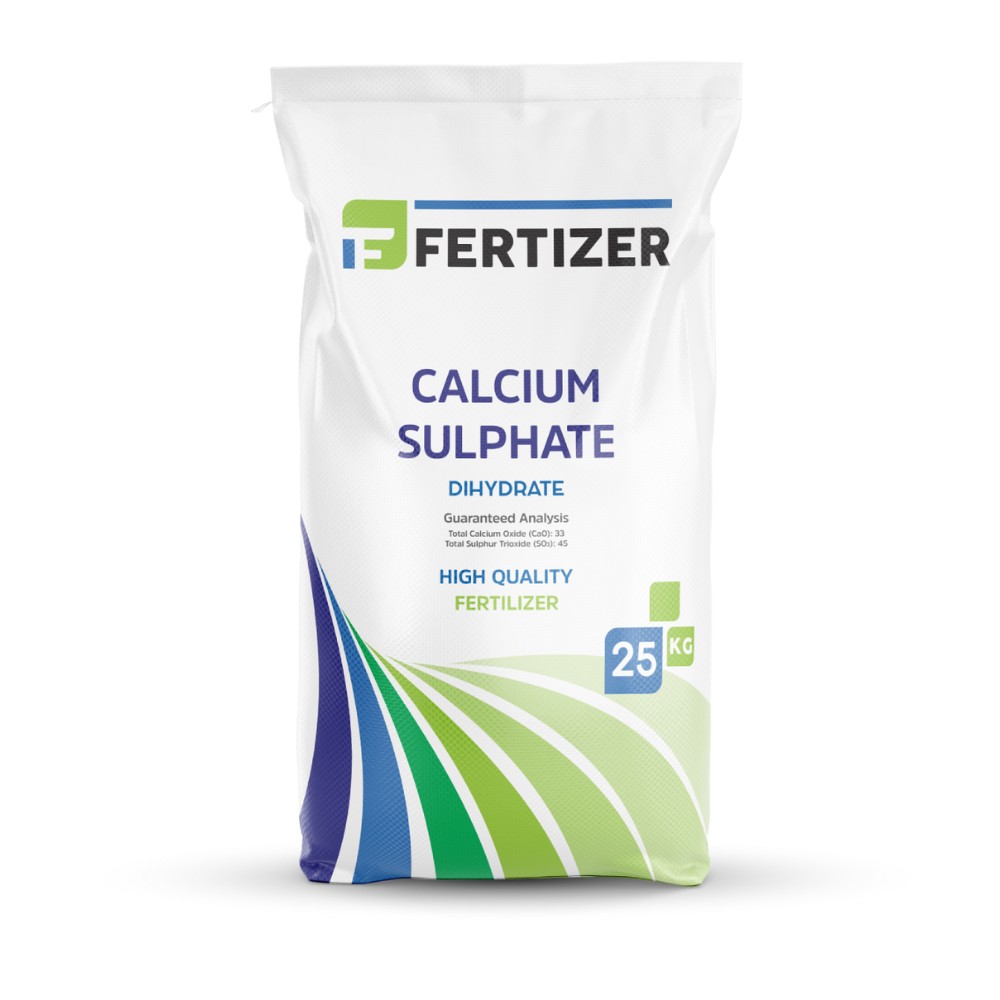
Calcium is equally relevant, especially in intensive production systems. It supports cell structure and healthy root tip growth. Where soils are weak in calcium availability, or where root damage follows transplanting or stress events, calcium-containing formulations can improve root recovery and plant stability.
Best fertilizer for root growth by formulation type
For commercial buyers, formulation type often matters more than marketing claims. Different systems require different delivery methods, and the best option depends on crop type, irrigation method, soil properties, and operational scale.
Water-soluble fertilizers
Water-soluble fertilizers are often the most efficient choice for controlled root-feeding programs. They are especially effective in fertigation systems, greenhouse production, hydroponic operations, and high-value open-field crops where nutrient precision is critical. High-phosphorus NPK grades, MKP, and specialty soluble formulations allow precise placement and fast response.
Their main advantage is nutrient availability. Their limitation is that they require disciplined management. Poor-quality raw materials, inconsistent solubility, or unsuitable tank mixes can reduce performance at scale.
Liquid fertilizers
Liquid fertilizers can be highly effective for starter applications and early-stage correction. They offer operational convenience and uniform application, especially in large systems using fertigation or banded liquid placement. Liquid phosphorus formulations are commonly used to support early root development in maize, vegetables, and transplant crops.
They perform best when matched to crop demand and placement strategy. On their own, they do not solve deeper soil structural problems or long-term nutrient release needs.
Organomineral and organic fertilizers
In soils with low organic matter, poor microbial activity, or weak structure, organomineral and organic fertilizers can add value beyond immediate nutrient supply. These materials improve the rhizosphere environment, support microbial processes, and help create better conditions for sustained root expansion.
They are not usually the fastest solution for immediate phosphorus delivery, but they can be highly effective as part of a broader root development strategy, especially in degraded soils. For commercial operations managing long-term soil productivity, this can be a strong economic advantage.
Micronutrient-enhanced formulations
In many fields, poor rooting is not caused by phosphorus deficiency alone. Zinc deficiency, for example, can suppress early development and reduce root efficiency. Micronutrient-enhanced starter fertilizers can improve performance where hidden deficiencies are common.
This is particularly relevant in alkaline soils, calcareous conditions, and intensive systems with repeated cropping cycles. A well-designed root fertilizer may therefore include both macronutrients and targeted micronutrients rather than relying on a simple high-P analysis.
Timing and placement often decide the result
Even the best fertilizer for root growth can disappoint if it is applied at the wrong time or in the wrong place. Young roots need immediate access to nutrients, especially phosphorus, because early root systems are small and less capable of exploring the soil profile.
Band placement near the seed or root zone is often more effective than broad surface application. Fertigation can also be highly efficient when irrigation management is accurate. In transplant systems, root-zone drenches or starter solutions can improve establishment during the most sensitive growth phase.
Timing matters just as much. Root-supporting fertilizers deliver the best return when applied before visible stress or poor establishment appears. Once root restriction is already severe, nutrition can help recovery, but the response is usually slower and less complete.
Why one product is not always the answer
The market often treats root growth as a single-product category. In practice, commercial results come from a program. Soil pH, temperature, moisture, compaction, salinity, irrigation quality, and crop genetics all affect how roots respond to fertilizer.
Cold soils, for example, can sharply reduce phosphorus uptake even when soil tests appear adequate. Saline soils can restrict root elongation regardless of nutrient concentration. Compacted layers can physically block root expansion, making additional fertilizer less effective. In these cases, the best fertilizer is the one that fits the limitation rather than the one with the strongest label claim.
For distributors and procurement managers, this is where supplier quality becomes commercially important. Consistent raw materials, stable manufacturing standards, and formulation flexibility matter because root development programs are sensitive to variability. A product that performs well on paper but inconsistently across shipments creates risk across the supply chain.
Choosing a root-growth fertilizer for commercial agriculture
For most professional operations, the right choice starts with three questions. First, is the priority rapid early rooting, longer-term soil improvement, or both? Second, is the crop being fed through dry application, fertigation, or liquid starter placement? Third, are there known soil constraints such as pH imbalance, low organic matter, salinity, or micronutrient lock-up?
If the need is fast early establishment, high-quality water-soluble phosphorus products or liquid starter formulations are often the strongest fit. The operation is rebuilding soil performance over multiple seasons, organomineral or organic-supported programs may create better root conditions over time. If stress tolerance and nutrient efficiency are the bigger concern, balanced formulations that combine phosphorus with potassium, calcium, and key micronutrients often deliver better field outcomes than phosphorus alone.
Manufacturing quality should remain part of the decision. Commercial buyers need products that are not only agronomically sound but also scalable, consistent, and supply-secure. That is especially true for importers, wholesalers, and large farm operations building season-long programs. FERTIZER supports this need with a broad portfolio of crop nutrition solutions designed for performance, consistency, and export-scale supply.
Strong roots are not a side benefit. They are the base layer of crop performance, and fertilizer decisions made early in the season shape everything that follows. The best results usually come from buyers who treat root nutrition as a precision decision, not a generic input line.