
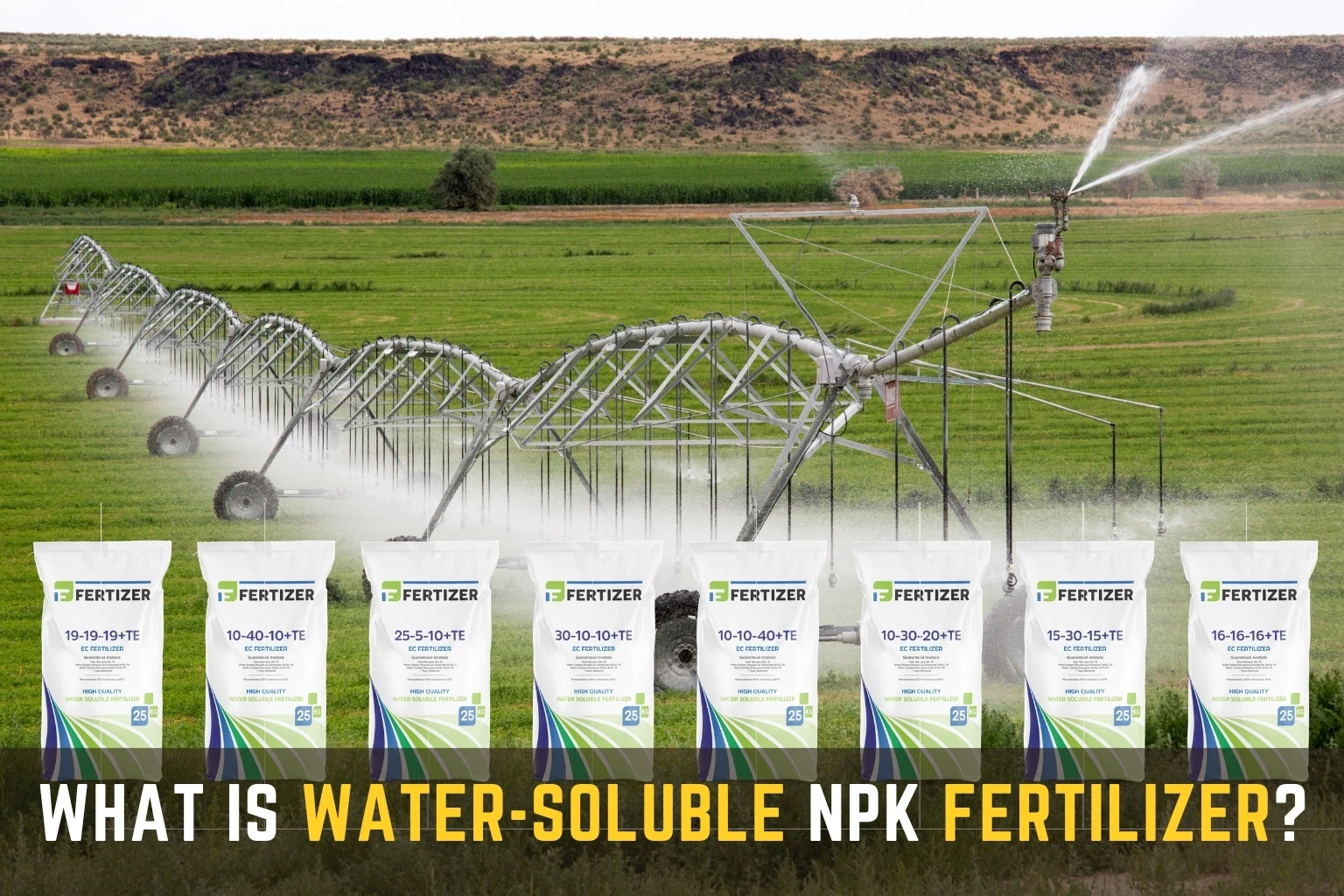
When irrigation uniformity is good but crop performance still falls short, nutrition is often the missing variable. Water soluble NPK fertiliser gives growers and professional buyers a more precise way to deliver nitrogen, phosphorus and potassium directly into the root zone, with speed, consistency and tighter control over plant response.
For commercial agriculture, that precision matters. Input costs are under pressure, water use is increasingly scrutinised, and yield targets leave little room for uneven feeding. In these conditions, soluble formulations are not simply a convenience. They are a practical tool for improving nutrient efficiency and supporting predictable crop development across high-value and broad-acre systems alike.
What water soluble NPK fertiliser is designed to do
Water soluble NPK fertiliser is formulated to dissolve fully in water so it can be applied through fertigation systems, drip irrigation, sprinklers or foliar programmes where appropriate. Unlike conventional granular products that rely more heavily on soil moisture and time to break down, soluble grades are intended for immediate availability.
That difference changes how growers manage feeding. Instead of applying larger amounts less frequently and hoping field conditions support uptake, the nutrition programme can be adjusted in smaller, more targeted doses. This allows crop managers to respond to growth stage, weather pressure, irrigation scheduling and visible nutrient demand with far more accuracy.
The result is usually better timing rather than simply more fertiliser. In many cropping systems, timing is where nutrient efficiency is won or lost.
Why commercial growers choose water soluble NPK fertiliser
The main advantage of water soluble NPK fertiliser is controllability. Nutrients can be supplied when the crop needs them most, in ratios aligned with vegetative growth, flowering, fruit set, bulking or maturation. That helps reduce waste and supports stronger nutrient use efficiency per hectare.
It also fits modern irrigation-led production. In protected cultivation, open-field horticulture, orchards and intensive row crops, fertigation has become central to performance. A fully soluble product protects that system by reducing the risk of precipitation, emitter blockage and uneven nutrient delivery, assuming the formulation is correctly matched to water quality and tank conditions.
There is also a labour and logistics benefit. Soluble fertilisers can simplify application schedules, reduce handling in some operations and help standardise feeding programmes across large production areas. For distributors and procurement teams, these are operational gains as much as agronomic ones.
Water soluble NPK fertiliser in fertigation systems
Fertigation is where water soluble NPK fertiliser delivers its strongest value. Nutrients move with irrigation water, so application can be synchronised with crop demand and root activity. In practical terms, this supports more balanced growth, especially in systems where nutrient leaching, fixation or inconsistent moisture can limit the performance of conventional products.
This does not mean soluble fertiliser is always the lower-cost option on a product-per-tonne basis. It often is not. The commercial case usually comes from better nutrient placement, stronger uptake efficiency, reduced losses and improved crop uniformity. For high-value crops, that can translate into better marketable yield and quality. For large-scale operations, it can mean tighter input control and more reliable output.
Performance still depends on execution. Poor water quality, incompatible tank mixes or inaccurate injection rates can undermine results quickly. The product must be soluble, stable and consistent from batch to batch, particularly when used in demanding irrigation systems.
Choosing the right formulation for crop stage
Not all NPK ratios serve the same purpose. Early-stage crops often require formulations that support root establishment and balanced vegetative development. Later stages may call for higher potassium to support flowering, fruit development, stress tolerance and final quality.
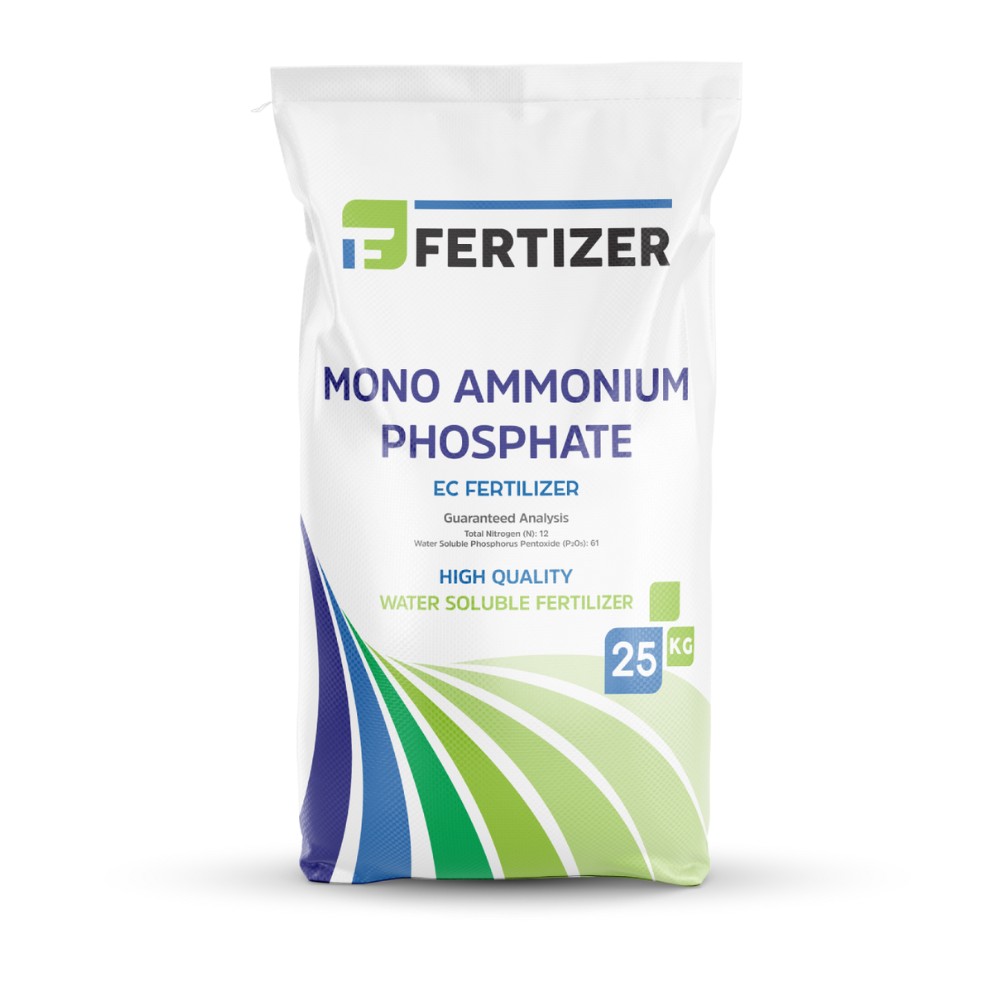
A high-phosphorus soluble grade can be useful during transplant establishment or early rooting, but it is not automatically the right choice for the entire cycle. In the same way, high-nitrogen formulations can drive canopy growth, yet excessive use late in the season may weaken reproductive performance or product quality depending on the crop.
This is why formulation planning should follow crop stage, expected yield, irrigation method and soil or substrate conditions. A good programme is not built around one analysis alone. It is built around transitions. Commercial buyers should therefore evaluate a supplier not only on product range, but on whether that range supports a complete nutritional strategy.
Common formulation categories
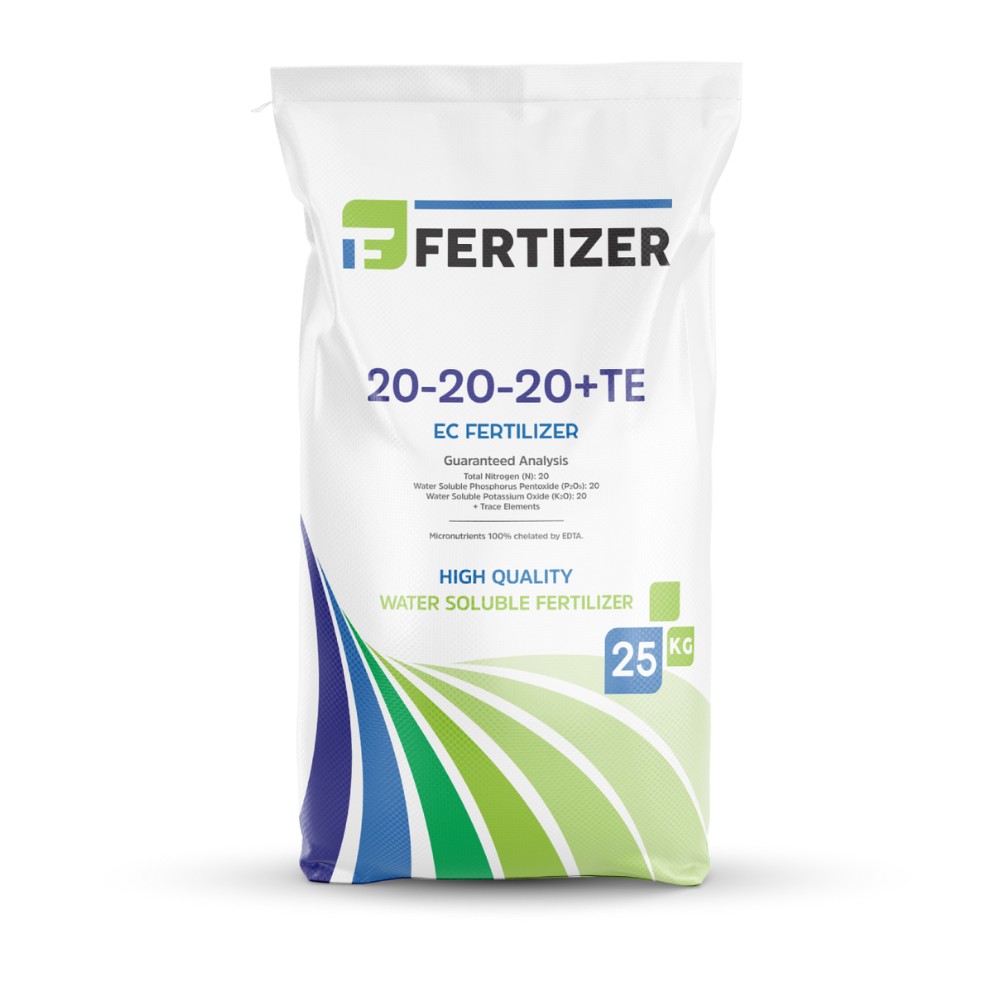
Balanced formulations such as 20-20-20 are often used where broad support is needed across active growth phases. Starter-oriented grades with higher phosphorus are chosen for early development, while high-potassium products are frequently selected for flowering and fruit filling stages. Some programmes also use specialist soluble blends enriched with micronutrients to simplify application and correct hidden deficiencies before they affect yield.
The right choice depends on crop demand, not on popularity of a formula.
Solubility, purity and consistency matter more than the label alone
Two products may carry the same NPK ratio and still perform differently in the field. For professional buyers, this is one of the most important distinctions in the soluble category.
Raw material quality, manufacturing discipline and formulation stability all influence how a product behaves in storage, mixing tanks and irrigation systems. Low-purity inputs can increase insoluble residue. Inconsistent particle size can slow dissolution. Weak process control can create variability that affects dosing accuracy and crop response.
For importers, distributors and private label buyers, these factors matter because complaints rarely begin with the printed analysis. They begin with blocked lines, cloudy tanks, poor flowability, caking or uneven field performance. In export supply chains, consistency is commercial protection.
That is why production capability should be part of procurement assessment. A manufacturer with secure raw material access and in-house formulation control is generally better positioned to maintain stable quality over time than a supply model built purely around opportunistic trading.
Where water soluble NPK fertiliser fits best
Water soluble NPK fertiliser is especially well suited to intensive systems where precision feeding influences both yield and crop quality. This includes greenhouse vegetables, soft fruit, orchards, vineyards, open-field horticulture and other commercial crops managed through drip or sprinkler irrigation.
It can also play a role in broad-acre agriculture where fertigation infrastructure exists and the economics support more precise nutrient management. In these cases, the value often comes from strategic use rather than total replacement of all conventional fertiliser sources.
That trade-off is important. Soluble nutrition is highly effective, but it should be matched to the agronomic system and return potential of the crop. The strongest programmes are usually integrated, not one-dimensional.
Supply considerations for distributors and bulk buyers
For B2B buyers, product performance is only part of the equation. Reliable supply, specification consistency, packaging options, documentation and export readiness are equally important when building a fertiliser portfolio.
Water soluble products often move into markets where technical expectations are high and application equipment is sensitive. That raises the bar for manufacturing quality and logistics discipline. Buyers need confidence that each shipment will match the agreed specification, dissolve cleanly and arrive supported by clear technical data.
This is where working with a producer-focused supplier offers an advantage. FERTIZER supports commercial agriculture with water-soluble fertiliser solutions backed by manufacturing capability, broad formulation options and supply consistency built for long-term distribution and field performance.
A sharper way to think about soluble nutrition
Water soluble NPK fertiliser is not only about feeding faster. It is about feeding with intention – placing the right nutrients in the right ratio, at the right moment, through a system designed for accuracy. For commercial growers and professional buyers, that shift can improve far more than crop appearance. It can strengthen nutrient efficiency, protect irrigation performance and support the kind of consistent production that modern agriculture depends on.
The best results come when product quality, crop planning and supply reliability all pull in the same direction.