
Learn how water soluble NPK fertilizer improves nutrient uptake, fertigation efficiency and crop performance for commercial agriculture at scale.
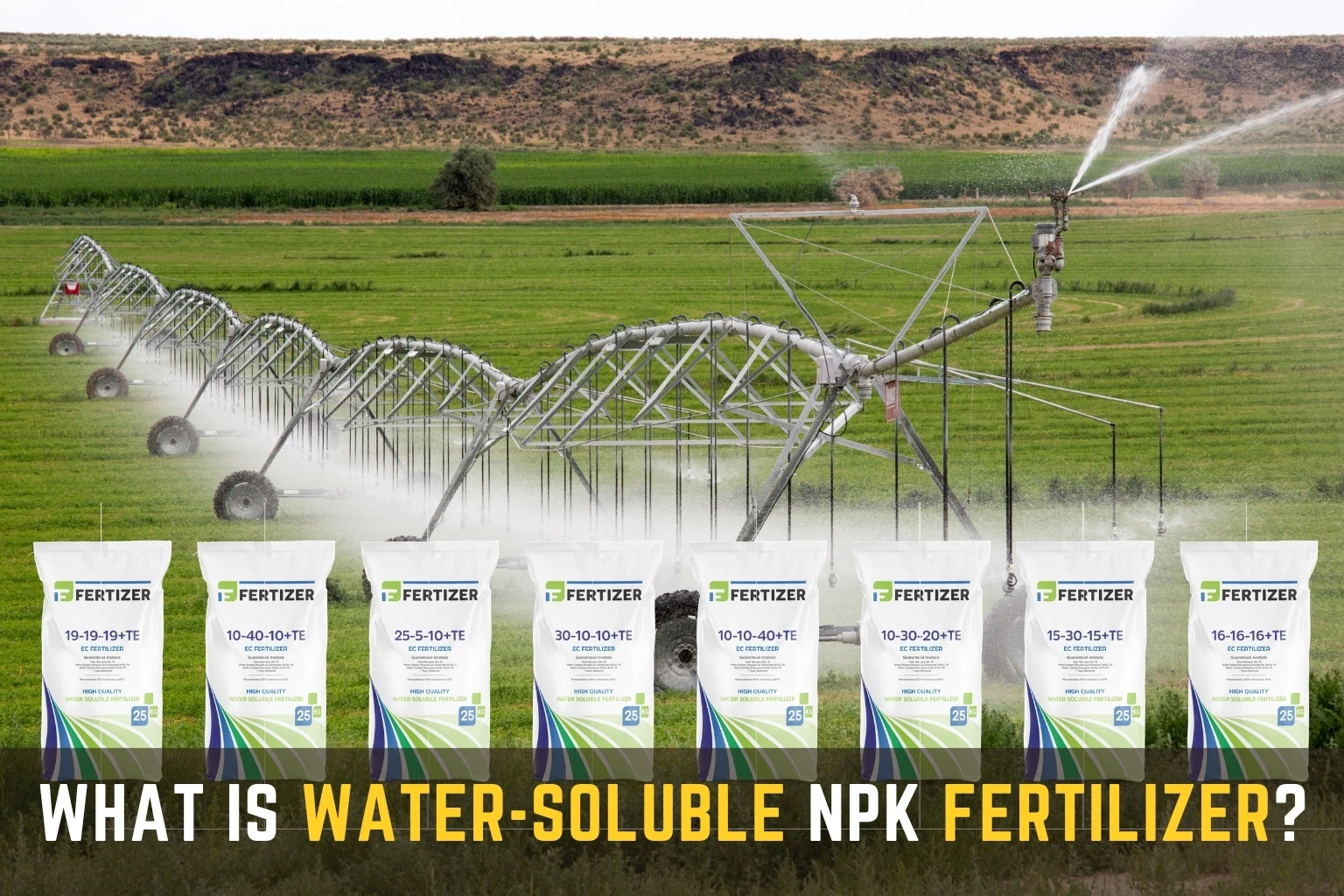
This category covers the fundamental principles of plant nutrition and the scientific approaches behind modern fertilization strategies. It explains how macronutrients such as nitrogen, phosphorus, and potassium, along with secondary nutrients and micronutrients, influence plant growth within the framework of soil-plant-nutrient interactions.
The articles in this section explore different fertilizer forms including water-soluble NPK fertilizers, potassium sources, and micronutrient solutions and explain under which conditions each option should be used. Rather than focusing solely on crop-specific recommendations, these guides highlight the importance of evaluating fertilization decisions based on soil characteristics, irrigation systems, and targeted crop quality.
The Nutrient & Fertilization Principles category provides the theoretical foundation that supports crop-based cultivation guides. By understanding the core logic of nutrient management, readers can better interpret how different fertilization strategies influence plant development and why specific nutrient programs are required for different crops and growing conditions.
Learn how water soluble NPK fertilizer improves nutrient uptake, fertigation efficiency and crop performance for commercial agriculture at scale.
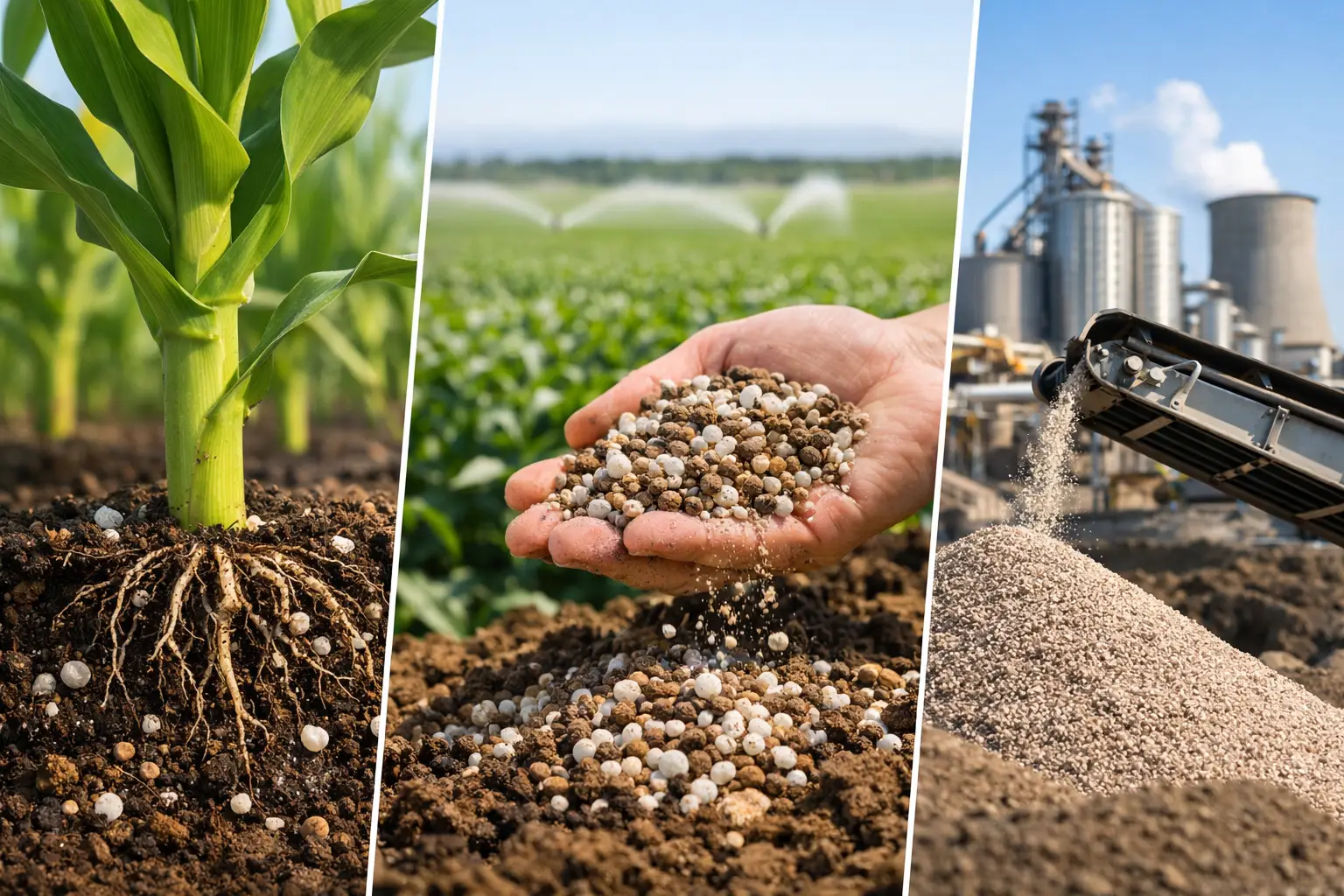
Organomineral fertilizer benefits include better nutrient efficiency, improved soil health, stronger crops and more consistent yields in farming.
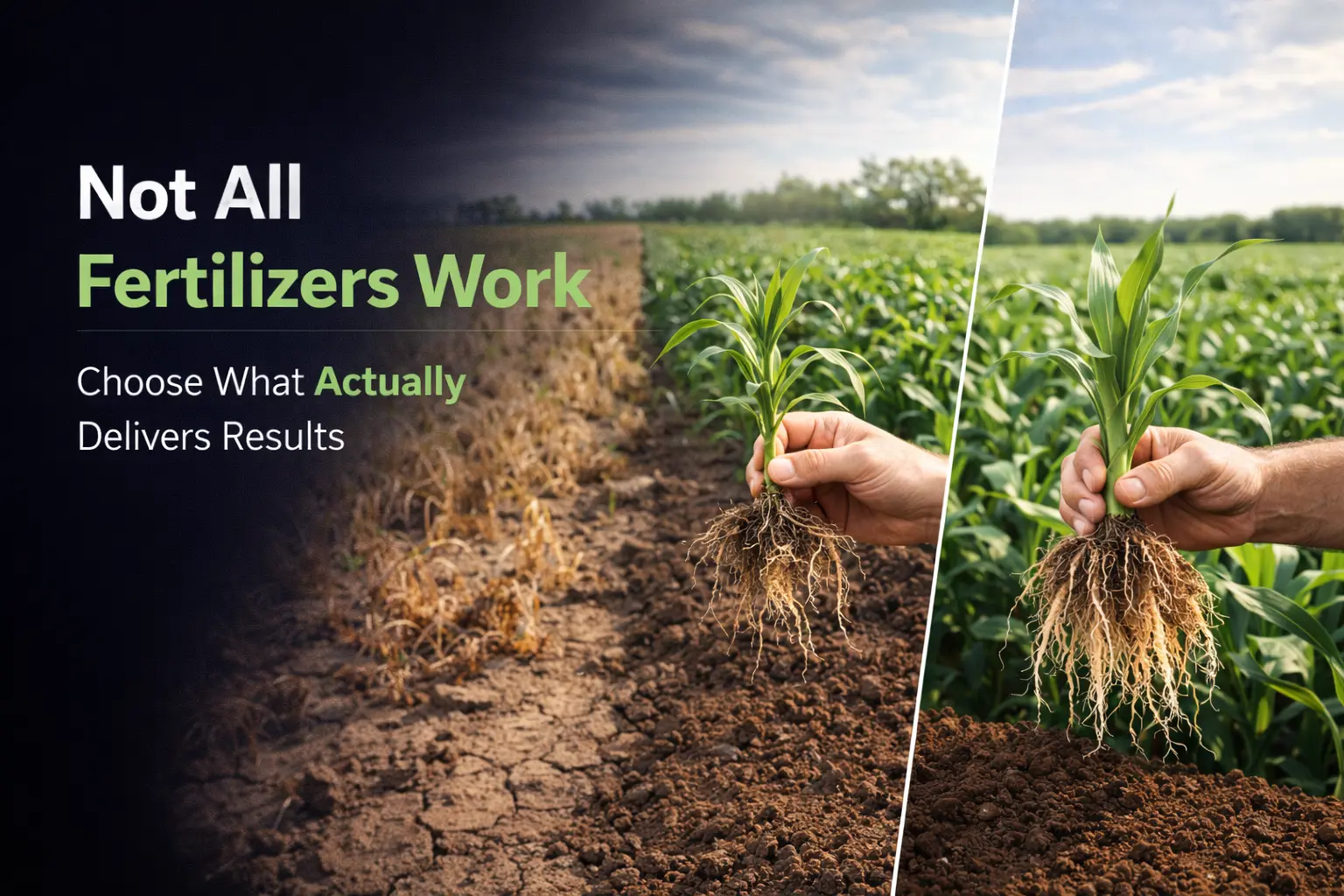
Find the best fertilizer for crops based on soil, crop stage and yield goals. Improve nutrient efficiency, quality and field performance.

Organic fertilizer for soil fertility improves structure, biology and nutrient efficiency, helping growers build stronger crops and more reliable yields.
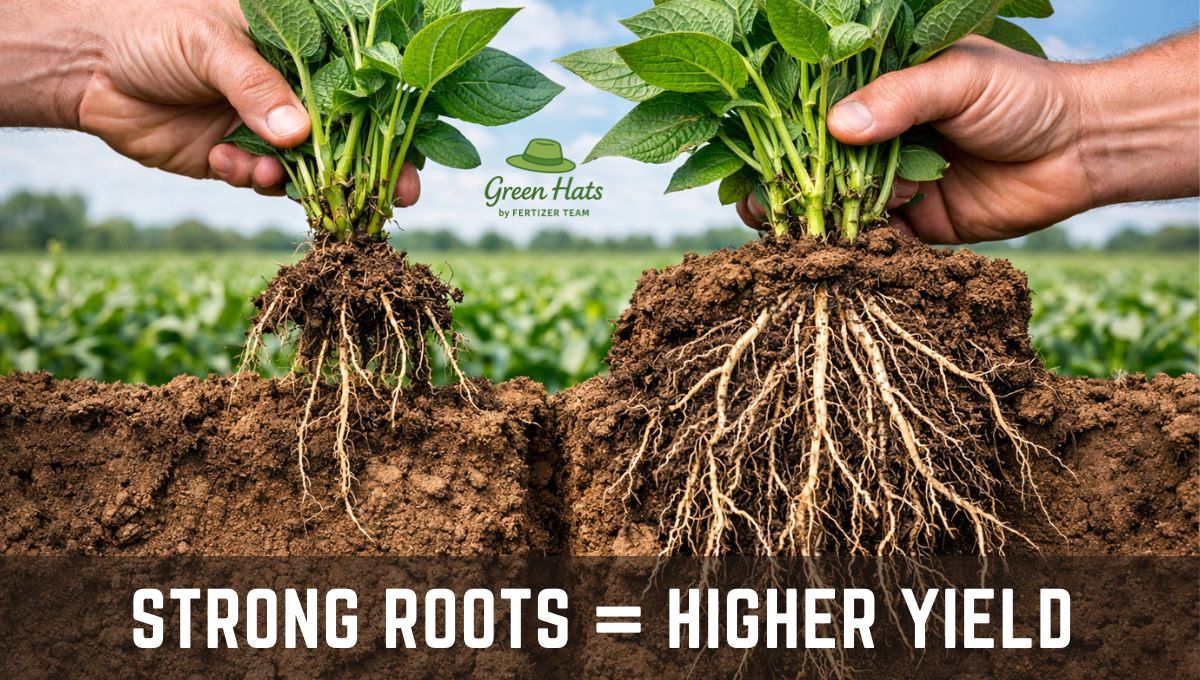
Every farmer experiences this at some point. You plant on time.You irrigate regularly.You apply fertilizers.The crop looks decent. But when harvest comes, the yield is lower than expected. Not terrible. Just… disappointing. You start asking the same questions many growers ask every season. Why is the field not producing what it should?What am I missing?How […]