
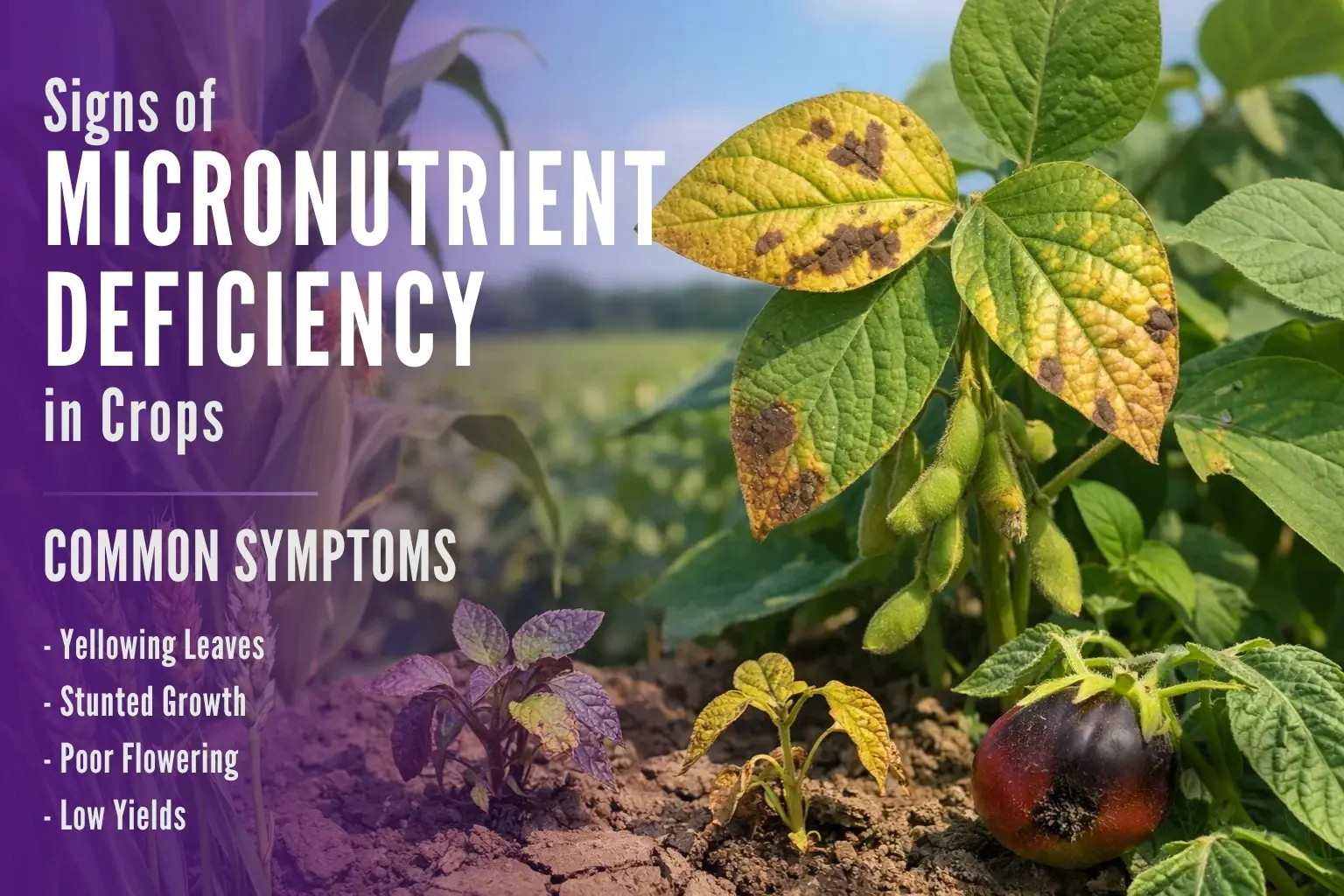
A field can look well fed on paper and still underperform in practice. That is often how the first signs of micronutrient deficiency in crops show up – not as a dramatic collapse, but as uneven growth, poor leaf color, weak flowering, and yield losses that are easy to misread as weather stress, disease pressure, or genetics.
For commercial growers and professional buyers, that distinction matters. Micronutrient problems rarely affect only appearance. They reduce nutrient efficiency across the entire program, limit crop quality, and create avoidable cost per ton or per acre. The earlier the diagnosis, the more room there is to correct the issue without sacrificing performance.
Field observations and agronomic data consistently show that micronutrient deficiencies can limit yield potential before visible symptoms become severe. In high-performance production systems, even mild imbalances can reduce nutrient efficiency and crop uniformity.
Early detection of micronutrient deficiencies is critical, as yield losses often begin before visual symptoms become clearly visible in the field.
Why micronutrient deficiency symptoms are often missed

Micronutrients are required in small amounts, but their role in plant metabolism is not small. Iron supports chlorophyll formation, zinc influences enzyme systems and growth regulation, boron affects flowering and cell wall development, manganese drives photosynthesis, copper supports reproductive growth, molybdenum is tied to nitrogen metabolism, and chlorine and nickel also contribute to essential plant functions, as outlined in global FAO soil and plant nutrition resources.
Because the quantities are small, many nutrition programs focus heavily on nitrogen, phosphorus, potassium, and secondary nutrients. That works until a hidden imbalance begins to restrict uptake or plant function. In high-yield systems, especially under intensive production, micronutrient demand becomes more visible because the crop is pushed to perform at a higher level.
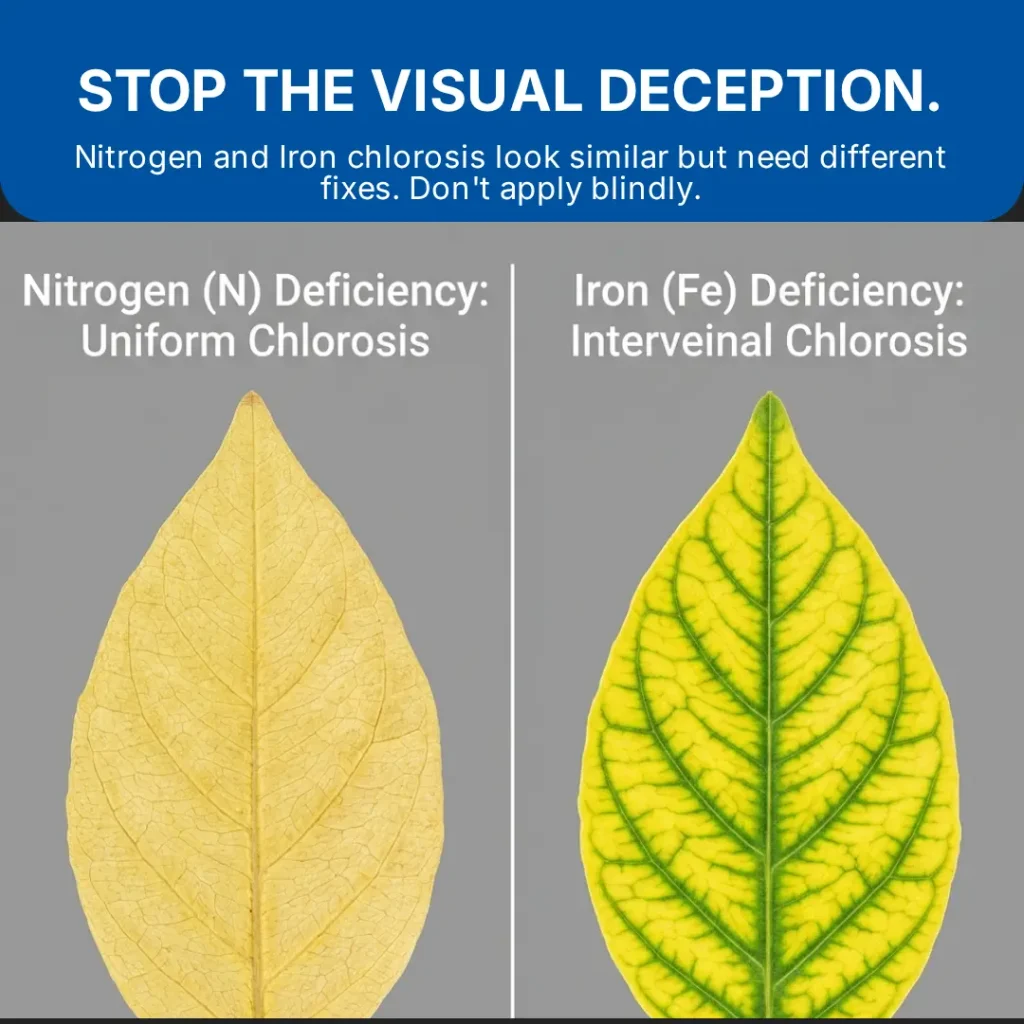
Another reason symptoms are missed is that several deficiencies look similar at first. General chlorosis, shortened internodes, distorted new growth, or poor fruit set can point in more than one direction. Soil pH, moisture, root health, temperature, and antagonism from other nutrients also influence what appears in the field.
Common signs of micronutrient deficiency in crops
The most reliable field diagnosis starts with two questions: where on the plant do symptoms appear first, and what pattern do they follow? Micronutrients differ in mobility within the plant, so deficiency symptoms often begin either on younger leaves or older tissue.
Iron deficiency
Iron deficiency usually appears first on young leaves because iron is not readily mobile in the plant. The classic symptom is interveinal chlorosis – leaf tissue turns pale yellow while veins remain green. In severe cases, young leaves may become nearly white, and growth slows sharply.
This is common in high pH soils, calcareous conditions, and situations where root activity is restricted by cool or waterlogged soil. The soil may contain iron, but the crop cannot access it efficiently. That is why iron deficiency is often an availability issue rather than a total absence of iron in the profile.
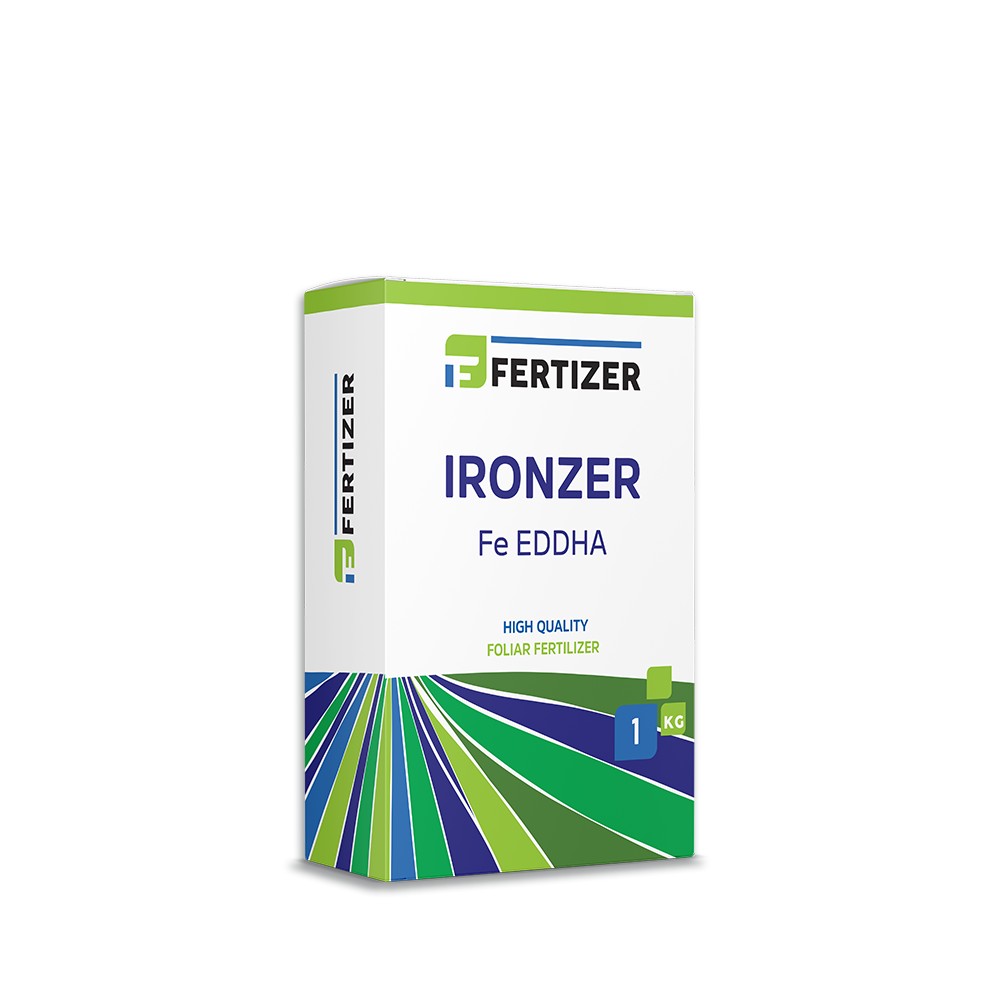
In calcareous soils commonly found in Mediterranean and Middle Eastern regions, iron deficiency is one of the most frequent micronutrient issues due to high pH limiting iron availability rather than total iron absence.
Zinc deficiency
Zinc deficiency often causes shortened internodes, smaller leaves, and a rosette-like appearance in severe cases. Chlorosis may occur between veins, and some crops show banding or striping on leaves. Overall plant development becomes compact and uneven.
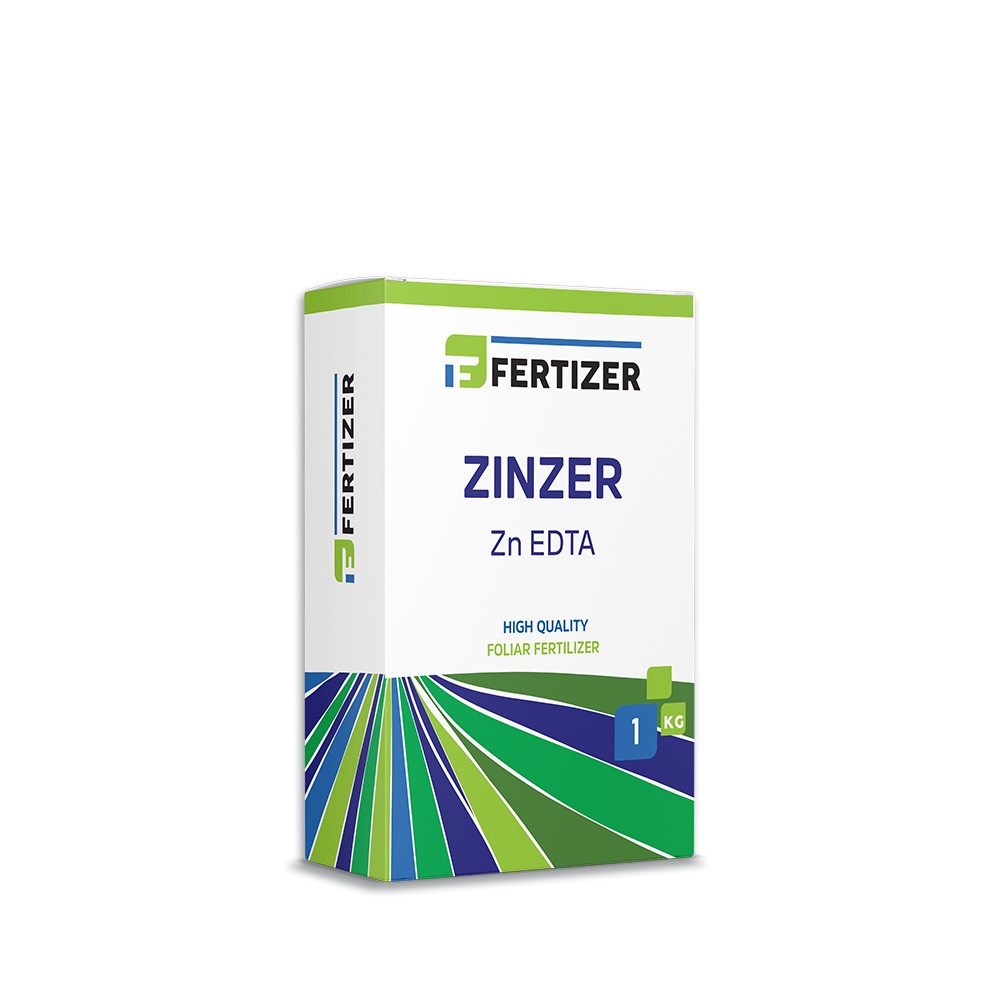
In cereal, corn, and many broadacre crops, zinc deficiency can reduce early vigor and root development, which then affects the entire nutrient uptake pattern later in the season. High phosphorus application can sometimes intensify zinc problems, especially where baseline zinc availability is already marginal.
In commercial corn production, zinc deficiency is often observed during early vegetative stages, where limited root development reduces the plant’s ability to access both macro and micronutrients efficiently.
Manganese deficiency
Manganese deficiency can resemble iron deficiency, but the pattern is often more speckled or mottled. Interveinal chlorosis appears on younger to mid-aged leaves, and in some crops small necrotic spots develop as the deficiency progresses.
It is frequently associated with alkaline soils, overliming, or organic soils where manganese availability is reduced. The visual difference between iron and manganese deficiency is not always clear in the field, so tissue analysis is often the fastest way to avoid a misapplied correction.
Boron deficiency
Boron deficiency affects growing points, flowering, pollination, and fruit or seed development. Symptoms vary by crop, but common signs include brittle or thickened young leaves, distorted new growth, hollow stems, cracked tissues, poor flower retention, and weak fruit set.
Boron is especially sensitive because the line between deficiency and excess can be narrow. That makes product selection, application timing, and rate accuracy more important than with some other nutrients. In crops where reproductive performance drives margin, boron deficiency can become expensive very quickly.
Copper deficiency
Copper deficiency often appears as weak stems, leaf curling, chlorosis, poor tillering in cereals, and reduced reproductive development. In some crops, leaf tips may dry back or become twisted.
It is more likely in organic soils, sandy soils, or fields with a long history of low copper replacement. While less common than zinc or iron issues in many systems, copper deficiency can significantly reduce crop uniformity and grain or fruit quality where it occurs.
Molybdenum deficiency
Molybdenum deficiency is closely tied to nitrogen metabolism. In legumes, poor nodulation and reduced nitrogen fixation may be early indicators. In other crops, symptoms can resemble nitrogen deficiency because the plant cannot process nitrogen effectively.
Older leaves may yellow, and leaf distortion can occur in some species. Unlike several other micronutrients, molybdenum generally becomes less available in acidic soils, so pH management often plays a direct role in correction.
What deficiency symptoms do and do not tell you
Visual symptoms are useful, but they are not enough on their own. A pale leaf does not automatically identify the right nutrient, and by the time symptoms are obvious, some yield potential may already be lost.
This is where commercial decision-making needs to stay disciplined. If a distributor, grower, or procurement manager treats every chlorotic field with the same foliar blend, the result may be inconsistent at best and wasteful at worst. The visual pattern should trigger investigation, not guesswork.
A proper diagnosis should account for crop stage, soil pH, root zone conditions, irrigation water quality, recent fertilizer history, and any known antagonisms. Tissue analysis and soil testing remain the most reliable tools for separating a true deficiency from restricted uptake caused by moisture stress, compaction, salinity, or root damage, as widely recommended in agronomic best practices.
Data-driven decisions based on tissue analysis and soil testing not only improve accuracy but also prevent unnecessary input costs, especially in large-scale commercial operations.
When signs of micronutrient deficiency in crops are most likely to appear
Micronutrient deficiencies tend to surface under pressure. High-yield targets increase total nutrient demand. Alkaline soils reduce the availability of iron, manganese, and zinc. Drought limits mass flow and root uptake. Waterlogging slows root respiration. Cold early-season conditions restrict root activity even when nutrients are present.
Fast-growing crops are particularly exposed during establishment, vegetative acceleration, and reproductive transition. If the nutrition program is built only around bulk NPK input and does not account for site-specific micronutrient constraints, the crop can look acceptable early and then lose momentum at the exact stage where yield components are being set.
This is also why standardized nutrition plans do not always transfer well across regions. Two operations growing the same crop may need different micronutrient strategies based on pH, organic matter, irrigation source, soil texture, and expected output.
How to respond without overcorrecting
The right correction depends on the cause. If the problem is true deficiency, a targeted micronutrient application can restore performance. If the issue is pH-driven unavailability, repeated application without addressing the root constraint may only deliver partial results.
Foliar application can provide a fast response, especially when symptoms appear during active growth and immediate correction is needed. Soil-applied products may be more effective where the goal is longer-term availability or where repeated deficiencies are expected. In many commercial programs, the strongest results come from integrating both approaches rather than relying on emergency foliar treatment alone.
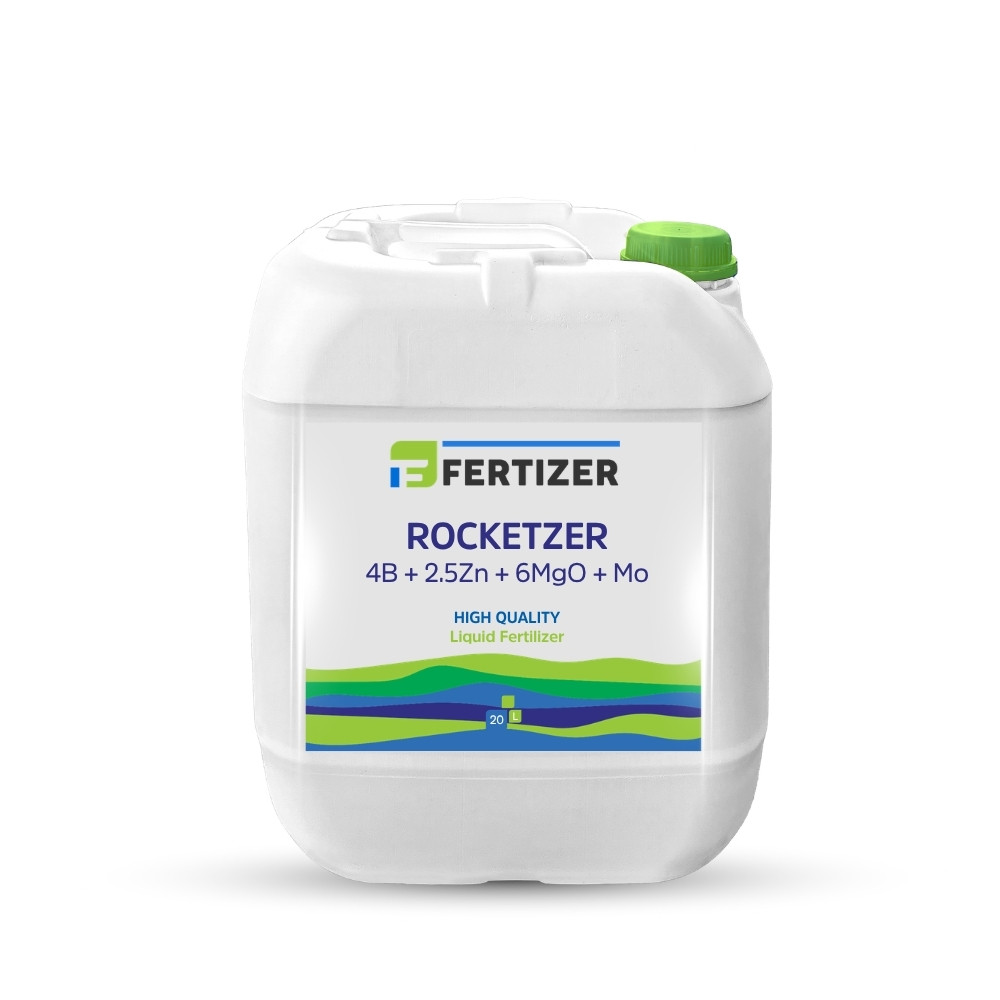
In cases where rapid correction is required, especially during active growth stages, using a high-quality foliar micronutrient solution can significantly improve nutrient uptake efficiency. Products such as Rocketzer micronutrient solution are designed to deliver essential trace elements in a readily available form, supporting faster recovery and more uniform crop performance.
Form matters as well. Solubility, compatibility, stability in tank mixes, and nutrient release profile all affect field performance. That is why product quality and consistency are not minor procurement details. They directly influence whether the correction works at scale across different environments and crop stages.
High-quality formulations with stable chelation and proper solubility ensure better nutrient uptake and compatibility in tank mixes, which directly affects field performance under variable conditions.
For B2B buyers, this is where manufacturer capability becomes important. A supplier that understands formulation, raw material quality, and application fit can help reduce variability in results. FERTIZER focuses on that performance standard because micronutrient products are only valuable when they translate into measurable crop response in real production conditions.
Build a prevention strategy, not just a rescue plan
The best micronutrient program starts before visual symptoms appear. That means using soil data, tissue testing, crop removal estimates, and field history to identify likely gaps before they become visible. It also means aligning micronutrient supply with the crop’s growth curve rather than treating trace elements as an afterthought.
There is no universal prescription. Some operations need a preventive zinc strategy in early growth. Others need boron support around flowering or iron management under calcareous conditions. The priority is matching the nutrient source, timing, and delivery method to the actual production environment.
When a crop shows subtle chlorosis, distorted new growth, weak flowering, or uneven vigor, the message is usually clear: the plant is no longer converting your core fertilizer investment into full performance. Catch that signal early, and you have options. Wait too long, and the field will make the decision for you.